

Trekking Conditions
What Can I Expect On The Mountain?
The best time to climb Mount Kilimanjaro is during the months January, February and September when the weather is warmer and drier. June, July and August are also very good months and is considered as high season for most operators. September and October offer ideal conditions although the weather can be a little less predictable.
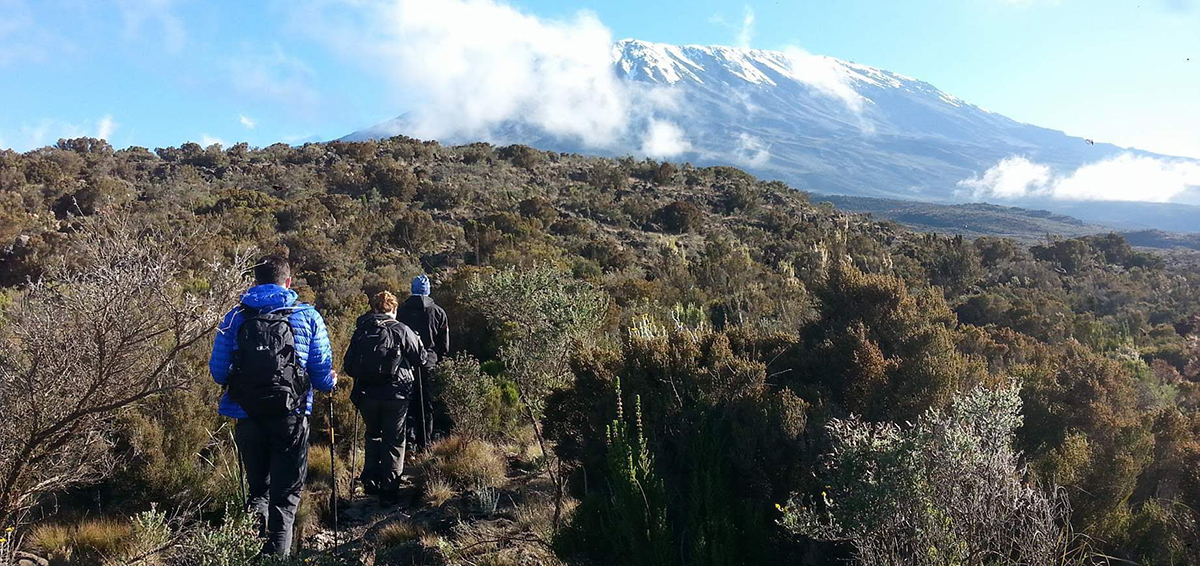
At 5.895 meters high and approximately 70 miles wide by 47 miles long! Kilimanjaro is an imposing landmass that supports five diverse ecological zones with varying temperatures and a vast amount of plant and animal life. Whilst on your trek you will go through all the climate zones on your way to the summit.
5 Diverse Ecological Climate Zones
Average temperature is between 20–27 degrees centigrade. It starts around 800m above sea level and covers the lower slopes of the mountain up to an altitude of approximately 1.800m. The zone supports an abundance of small animals including bushbabies and tree dassies.
Beginning at around 1.800m, it blankets the slopes of Kilimanjaro in a green canopy up to the altitude of 2.800m. This zone receives around 200 centimetres of rain every year and 95% of Kilimanjaro's water comes from this zone. It supports the greatest abundance of wildlife out of all the zones. The forest supports large groups of primates and leopards live amongst the trees.
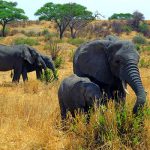
The zone begins at around 2.800m and extends to 4.000m. The zone is very cool and uncultivated with scant vegetation. Large animals including buffalo and elephants can be found in the lower areas of this zone as can some large birds including vultures, eagles, buzzards and ravens.
Starting around 4.000m and lasting until approximately 5.000m. This is the most inhospitable zone ith only a few ground dwelling insects surviving between the rocks. The temperatures in this zone can be as high at 35 degrees centigrade during the day and can drop to below freezing point at night.
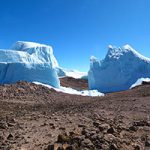
The name of the zone sums up the conditions between 5.000m and the summit at 5.895m. Temperatures can drop to as low -25 degrees centigrade at night and the sun can burn skin very quickly during daylight hours with temperatures as high as 30 degrees centigrade. Virtually nothing lives here apart from the visiting trekkers, the plant Helichrysum Newii and some very resilient lichen. From the summit the magnificent glaciers can be seen.
Most of the routes to the summit are technically not very demanding and feasible, even for people without any mountaineering experience. Nevertheless, you should not underestimate this adventure, as we are at an altitude of almost 6.000 meters, and the oxygen content in the air decreases greatly. Climbing Mt. Kilimanjaro may will be the most physically demanding thing you ever do, but it is also a once in a lifetime experience and a memorable challenge.

Sleeping on the mountain
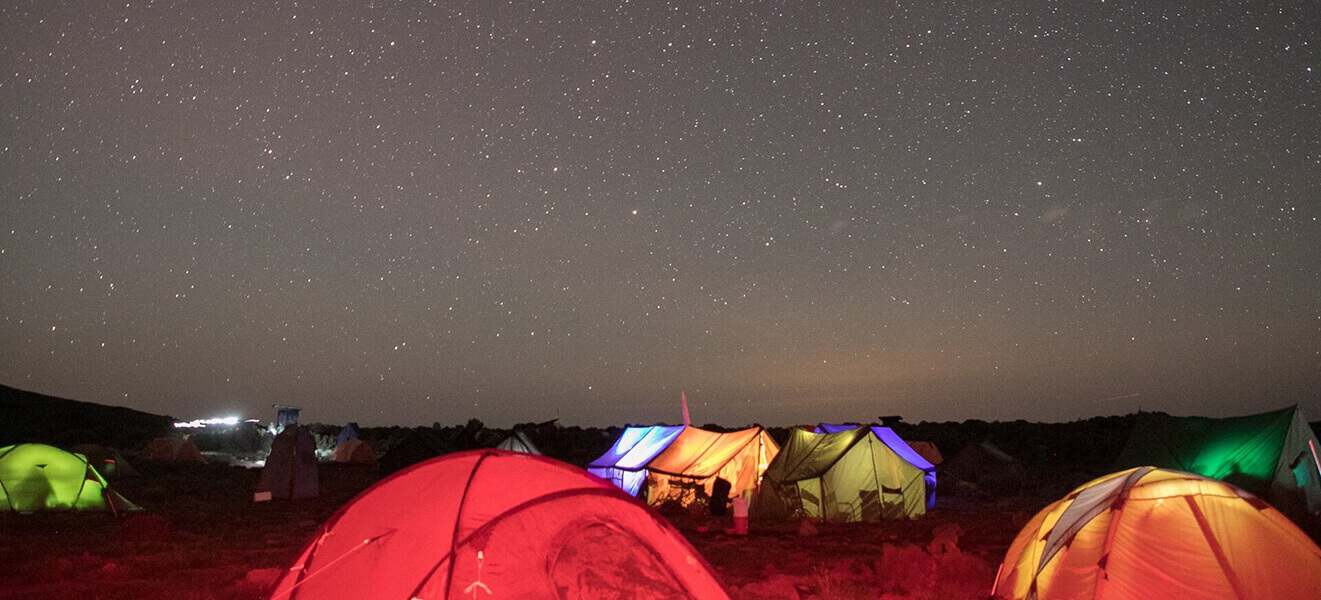
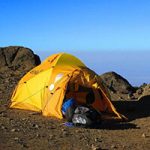
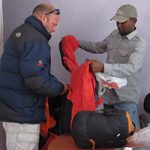
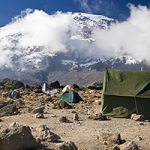
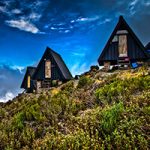
On the majority of our expeditions accommodation will be in one of our tents. We use North Face, Mountain Hardware or Aztec tents as these to be the most durable for the environment in which we operate. They are all three-man tents being shared by two people. If so required you can use a tent for a single person at an additional charge. Only the Marangu Route offers accommodation in huts. But single or double only occupation is not available for this route.Climbing To The Summit
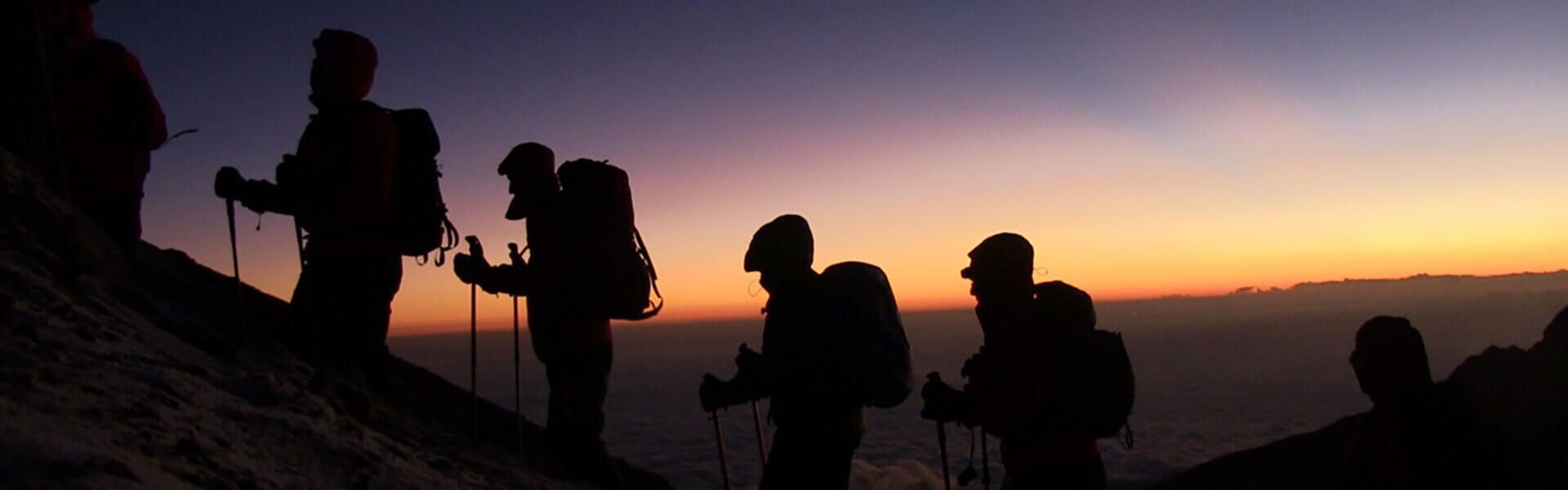
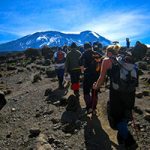
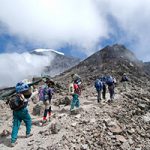
Most of the routes we offer do not require any technical know-how and all the trails are very well marked and maintained. The Barranco Wall and Western Breach approach are the only parts of a trek where light scrambling (climbing on hands and feet) is required. Our approach to the summit – Uhuru Peak – is generally conducted during the night and is on scree, which can be slippery and tiring.Playing with the elements
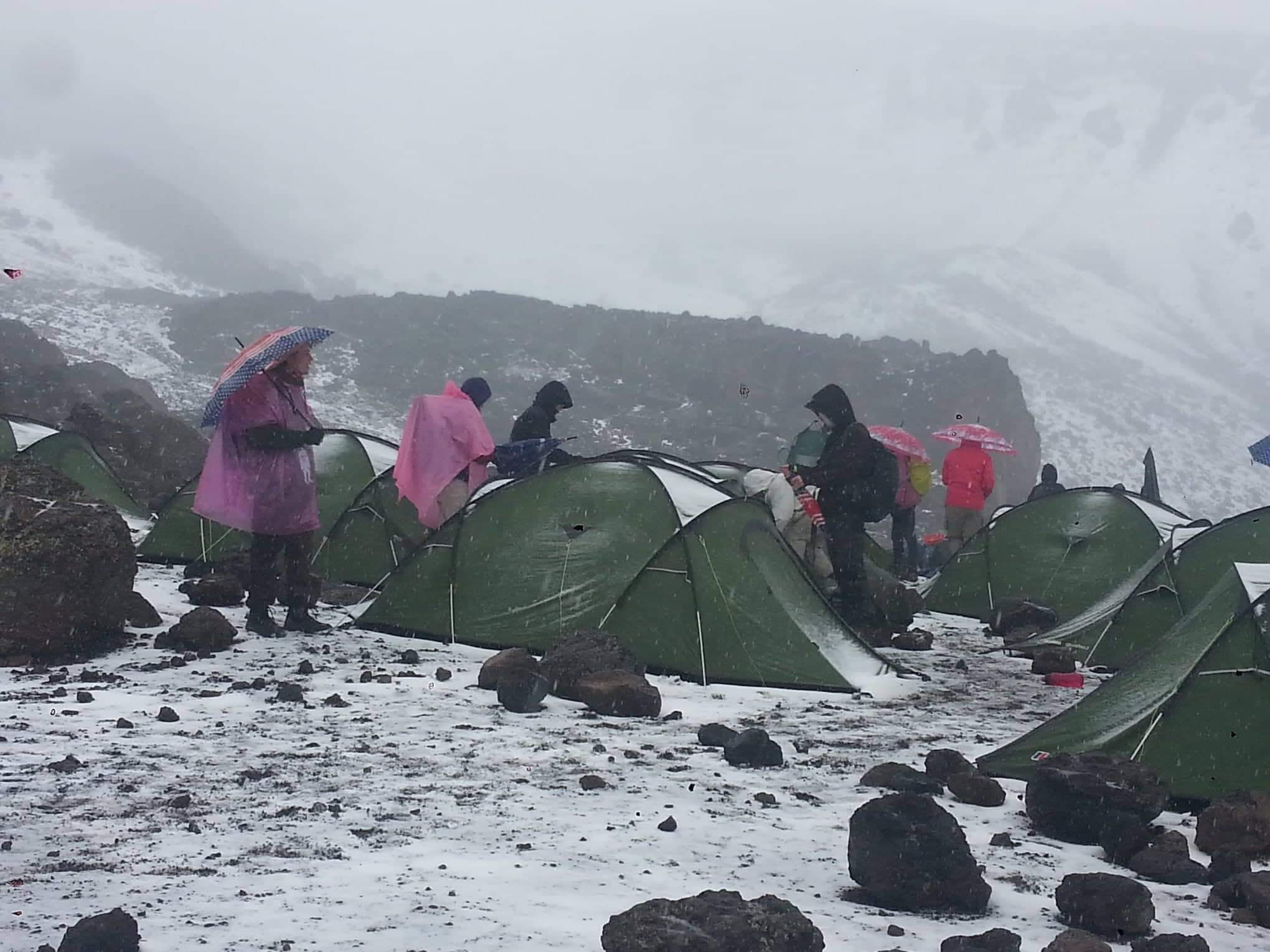
As with all outdoor adventures, we cannot control the elements. Bad weather conditions can complicate matters so climbers should be prepared to trek through all types of weather, such as fog, rain, snow, and all types of earth, whether loose, dusty, muddy, wet, snowy or icy. Again, consider this in your training preparation and try to get out on a mountain as much as possible.Toilets
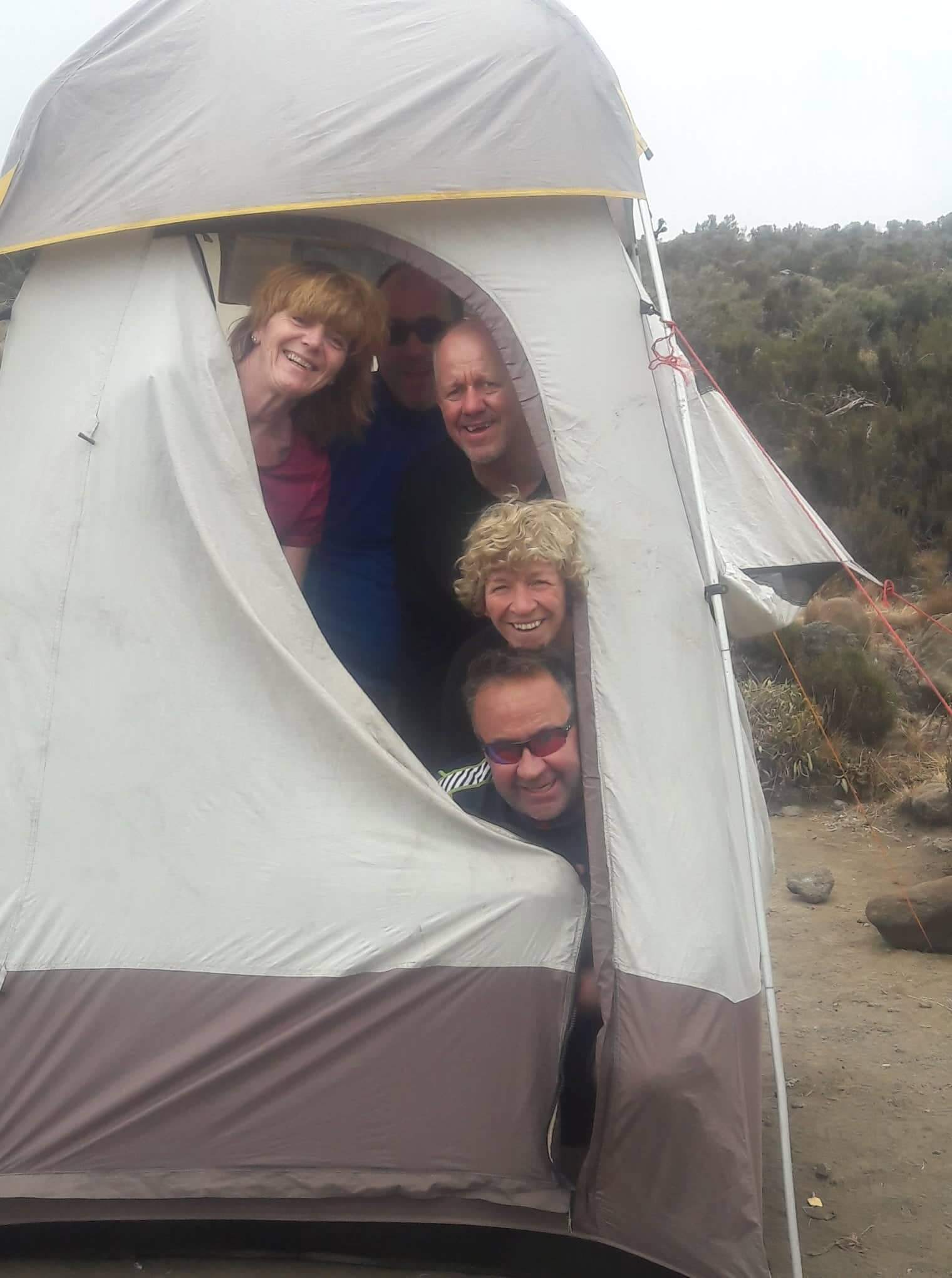
There are two types of public toilets in the camps along the trail. You relieve yourself in a hole cut into the bottom of the shack in a standing or squatting position. The second and slightly more comfortable option is built with similar structures only they have commodes. Given the crowds on Kilimanjaro, these public toilets see a lot of use and do not need much imagination to picture their condition and aroma. To add to the comfort of our climbers, we offer a third option being a portable, private toilet, which consist of a plastic toilet and a privacy tent.
Showers & Bathing on the mountain
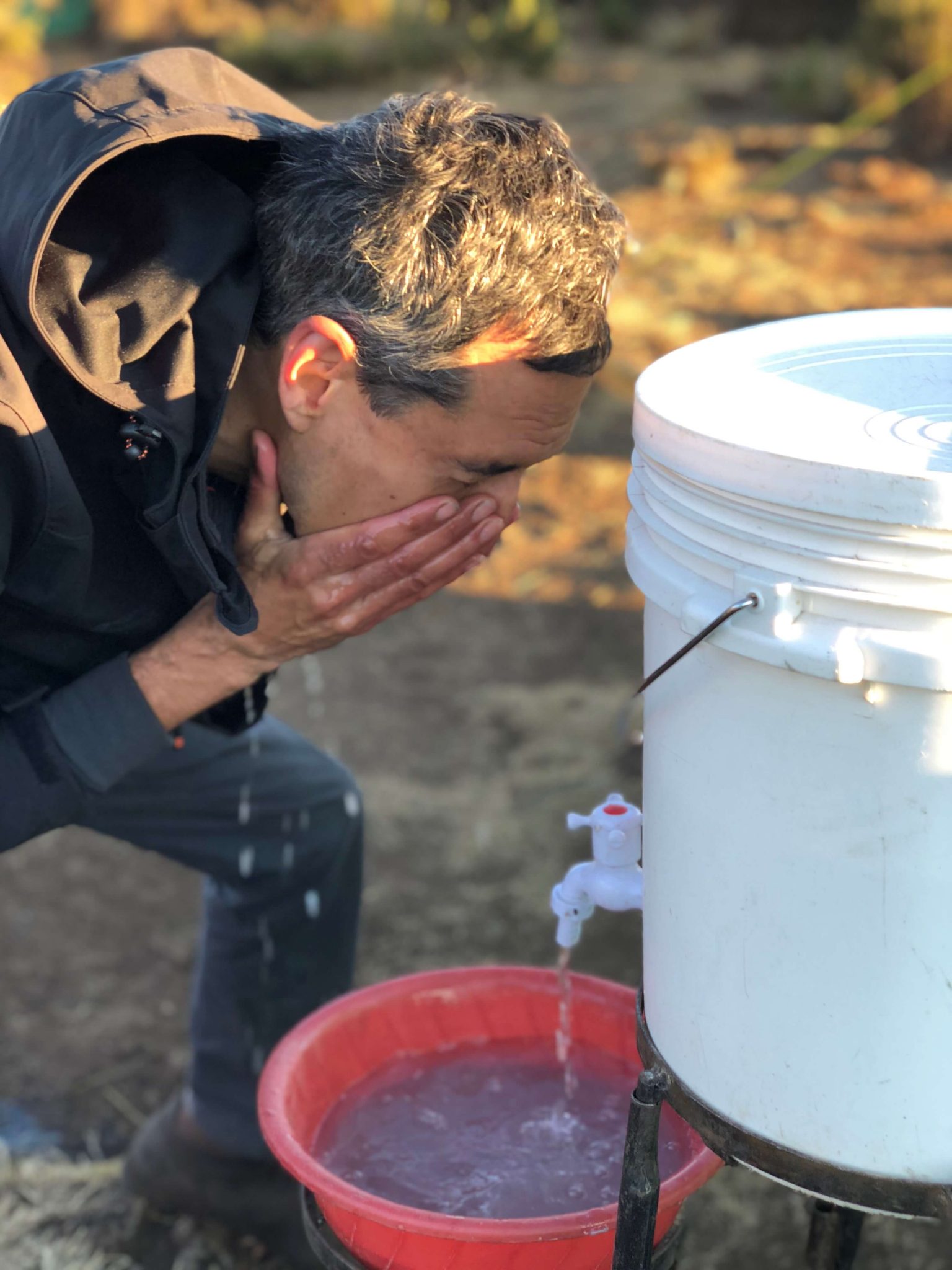
There are no shower facilities on the mountain but we do provide you with hot bathing water to freshen up. Wet wipes are an added bonus to have with you on your trek.